The evidence layer for biomedical AI
Medical research, gathered and processed into structured, source-grounded AI-ready evidence.
Bring a research question. We find the relevant studies, read everything including the tables and figures, and turn it all into structured evidence, with every value traced back to the exact place it came from. Deliver the data through a feed, an API, an MCP server, or Claude and ChatGPT.
- Papers
- Clinical trials
- Tables
- Figures
- Supplementary materials
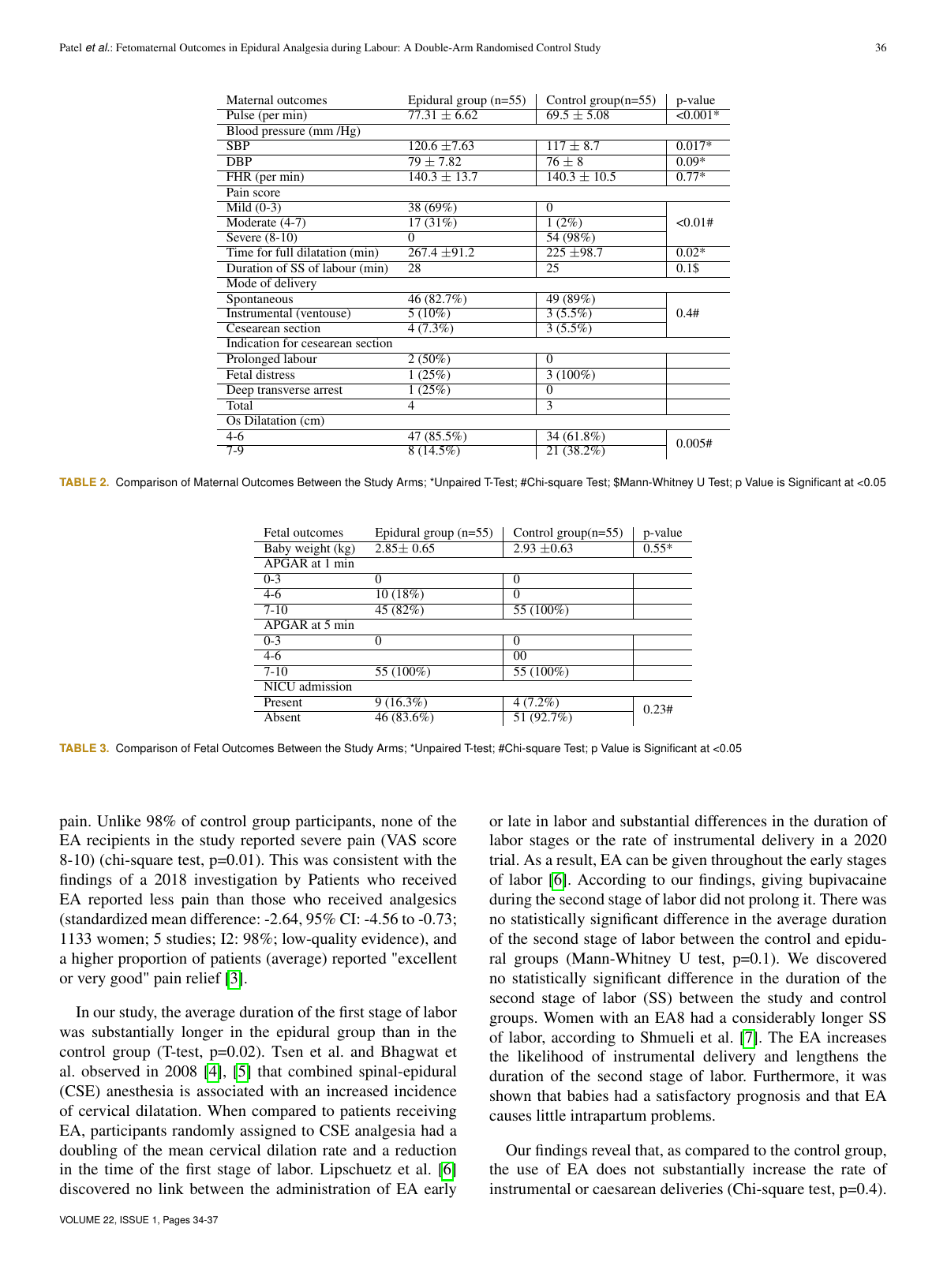
Patel, Pradhan, Dora, Sahu & Dandapat (2023). Fetomaternal Outcomes in Epidural Analgesia during Labour: A Double-Arm Randomised Control Study. Azerbaijan Pharmaceutical and Pharmacotherapy Journal, 22(1), 34–37. CC BY 4.0
Plug into your AI stack
What we gather
Every place a result can hide.
One comparison can depend on a single table row, a point on a survival curve, and a subgroup analysis on page 143 of an appendix. Noetica gathers all of it for your research question and prepares it for AI use.
Papers and preprints
Full text, methods and results prose, including the findings that never make it into the abstract.
Clinical trials
Arms, populations, interventions, endpoints and effect sizes, reconciled between the publication and the trial registry.
Tables
Baseline characteristics, efficacy endpoints, hazard ratios, confidence intervals and adverse-event counts, extracted row by row.
Figures
Kaplan-Meier curves, forest plots and dose-response charts, with values recovered from the plot itself, not just the caption.
Supplementary materials
Subgroup analyses, full statistical methods and extended safety tables, often running to hundreds of pages.
Your corpus, or ours
Bring your own PDFs and internal documents, or give us the research question and we assemble the literature for you.
Medical evidence is still trapped in documents.
Important findings are distributed across prose, tables, figures and supplementary files. Research teams extract the same information by hand, over and over, while general-purpose AI tools can produce answers that are difficult to verify.
Evidence is fragmented
Outcomes, populations and safety data are spread across multiple formats and publications, so a single comparison means opening a dozen papers.
Answers are difficult to audit
A citation to an entire paper is not enough when the relevant value came from one table row or figure.
The same work is repeated
Researchers and commercial teams rebuild the same evidence tables by hand, then rebuild them again when a new trial publishes.
More than search. More than a chatbot.
Structured evidence
Trials, populations, interventions, comparators, endpoints, results and safety data represented consistently.
Source-level provenance
Trace every extracted result to its original passage, page, table, figure or supplementary file.
Human-reviewable
Inspect the source behind an answer before relying on it.
Integration-ready
Use the evidence through a web workflow, Excel export, API, MCP, Claude or ChatGPT.
How it works
From publication to evidence object.
Gather
We find the relevant papers, trials, tables, figures and supplementary materials for your question, or you bring your own.
Understand
Identify trials, populations, interventions, endpoints, outcomes and adverse events.
Structure
Convert findings into consistent, machine-readable evidence objects.
Trace
Preserve links to the exact passage, page, table, figure or source region.
Every extracted result becomes a structured evidence object: consistent enough to query, and still connected to exactly where it came from.
{
  "study": "Patel et al. 2023",
  "population": "Women in labour (n = 110)",
  "comparison": "Epidural analgesia vs no epidural",
  "endpoint": "Time to full cervical dilatation",
  "value": "267.4 ± 91.2 min (epidural) vs 225 ± 98.7 min (control)",
  "p_value": "0.02",
  "source": {
    "paper": "Patel et al. (2023)",
    "page": 3,
    "table": "Table 2"
  }
}
One evidence layer. Four ways to access it.
Use it through Claude or ChatGPT
Give your team access to source-grounded biomedical evidence through the tools they already use. Ask research questions in natural language and inspect the evidence behind every answer.
 Ask in Claude
 Ask in ChatGPT
In Patel et al. 2023 (n = 110, two-arm RCT), the epidural group had longer time to full cervical dilatation and higher rates of moderate pain scores compared with the control group, while neonatal birth weight was similar between arms.
Build with the API and MCP server
Add structured biomedical evidence to your own products, research agents and internal workflows. One derived layer, available as a recurring feed, a REST API, or an MCP server.
Request
search_evidence({
  "study": "epidural analgesia during labour",
  "design": "RCT",
  "outcomes": [
    "maternal",
    "neonatal"
  ],
  "include_sources": true
})
Response (illustrative)
Patel et al. 2023, Table 2, p.3
Patel et al. 2023, Table 2, p.3
Patel et al. 2023, Table 3, p.3
Research through the platform
A purpose-built research interface for browsing structured, traceable biomedical evidence directly. Navigate across the literature and step from any result to its exact location in the source publication.
Ready to put the literature to work?
Tell us what your team is trying to understand. We’ll show you how structured, source-grounded evidence can fit your workflow.